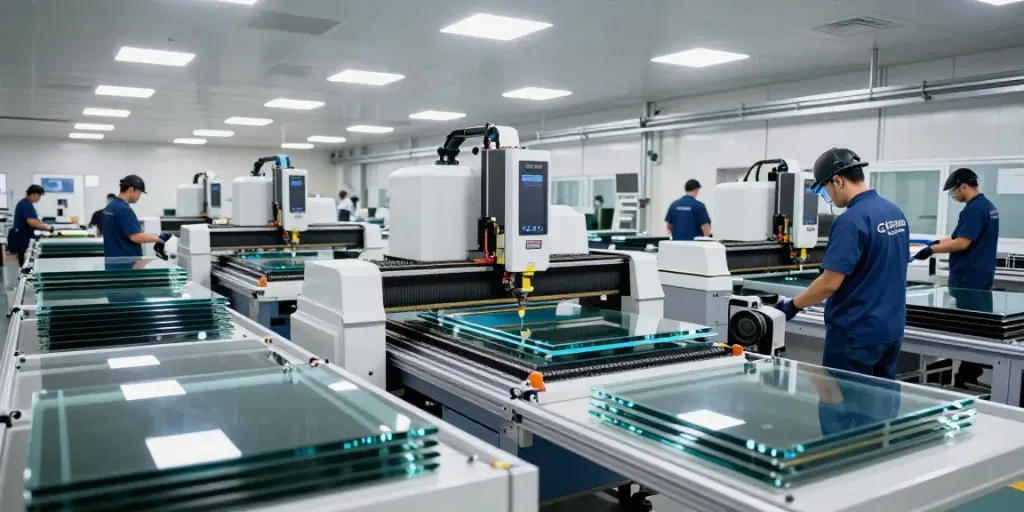
Understanding the Role of Glass Machine Suppliers
Glass machine suppliers play a critical role in the manufacturing and processing of glass products, providing essential equipment that ensures efficient production lines. These suppliers do not merely sell machines; they are pivotal in shaping the capabilities of glass manufacturing facilities. From cutting and polishing to washing and laminating, the quality and technology of the machines supplied can influence both the efficiency of production and the final output's quality. When exploring options, glass machine suppliers like Eworld offer comprehensive insights into the latest technologies and innovations in the industry.
What Are Glass Machine Suppliers?
Glass machine suppliers provide a variety of equipment used in the glass industry. Their offerings range from specialized machinery like insulating glass production lines to general-purpose machines such as glass cutting and polishing machines. Each type of equipment serves distinct functions, catering to different stages of glass production. Moreover, these suppliers often provide tailored solutions that meet specific customer needs, ensuring optimal performance across various glass processing applications.
The Importance of Quality Machines in Glass Production
The quality of the machines used in glass production significantly impacts the manufacturing process and the end product. High-quality machinery ensures precision, reduces waste, and enhances overall efficiency. For instance, advanced glass cutting machines with CNC technology provide accurate cuts that minimize material loss, while glass washing machines help maintain cleanliness, ensuring that products meet quality standards. In an industry where quality is paramount, relying on reputable suppliers ensures access to the best technology available.
Challenges Faced by Glass Machine Suppliers
Glass machine suppliers encounter various challenges in the market, such as fluctuating material costs, technological advancements, and increasing competition. Additionally, maintaining a robust supply chain is essential, especially given global changes and uncertainties. Suppliers must also adapt to the evolving needs of manufacturers, including demands for more automation and environmentally friendly solutions, which can necessitate significant investment in research and development.
Popular Types of Glass Machines and Their Functions
Overview of Key Glass Machine Types
Understanding the different types of glass machines is essential for manufacturers looking to optimize their production processes. Key types include:
- Glass Cutting Machines: These machines are vital for precision cutting of glass sheets into specified dimensions.
- Glass Washing Machines: Essential for cleaning glass surfaces, ensuring that any contaminants are removed before further processing.
- Glass Edge Polishing Machines: Used to smooth and finish the edges of glass products, enhancing aesthetics and safety.
- Insulating Glass Production Lines: These systems are used to create double or triple-glazed windows, providing thermal insulation.
- Glass Laminating Machines: Important for sandwiching layers of glass with plastic interlayers for safety and increased strength.
- Glass Drilling Machines: Used to create precise holes in glass for various applications, including fittings and fixtures.
- Glass Sandblasting Machines: Employed to etch or texture glass surfaces based on design specifications.
- Laser Machines: These serve various functions, including cutting and engraving glass with high precision.
Applications of Insulating Glass Production Lines
Insulating glass production lines are crucial for modern construction, providing energy-efficient solutions for buildings. These lines typically produce double or triple-glazed units that significantly enhance thermal insulation properties. The applications are vast, ranging from residential buildings to commercial skyscrapers. As energy efficiency becomes increasingly vital, the demand for insulating glass products continues to rise, showcasing the importance of reliable suppliers who can provide the necessary production technology.
Benefits of Using Advanced Glass Cutting Machines
Advanced glass cutting machines come equipped with features such as automation, CNC control, and high-speed operation. These machines offer numerous advantages:
- Precision: Advanced cutting technology ensures that glass sheets are cut accurately, minimizing material wastage.
- Efficiency: Faster processing times increase output, allowing manufacturers to meet high demand.
- Consistency: Automated systems provide uniform cuts, enhancing product quality and reducing the need for manual labor.
- Flexibility: Many advanced machines can handle various glass thicknesses and types, making them versatile for different projects.
Choosing the Right Glass Machine Supplier
Factors to Consider When Selecting Suppliers
When selecting a glass machine supplier, several factors should be taken into account. These include:
- Reputation: Look for suppliers with a solid track record in the industry and positive customer feedback.
- Product Range: A diverse range of products indicates the supplier’s ability to meet various needs.
- Technical Support: Evaluate the level of after-sales support and technical assistance offered.
- Price: While cost is important, it should not be the sole factor; consider the value offered in terms of quality and service.
Comparing Different Glass Machine Suppliers
To make an informed decision, manufacturers should compare various suppliers based on their offerings, technology, and service levels. Some effective methods include:
- Requesting quotes: Compare prices while ensuring that specifications and warranties are consistent.
- Checking reviews: Look into testimonials and case studies from previous customers to gauge supplier reliability.
- Visiting facilities: Whenever possible, visit the supplier's manufacturing facilities to understand their quality control processes and capabilities.
Importance of After-Sales Support from Suppliers
After-sales support is a critical aspect of the supplier-manufacturer relationship. This support can include maintenance services, access to spare parts, and troubleshooting assistance. Suppliers that offer robust after-sales support can help manufacturers ensure their machines operate efficiently over the long term, minimizing downtime and maintaining productivity levels.
Industry Trends for Glass Machine Suppliers in 2026
The Shift Towards Automation in Glass Manufacturing
The glass manufacturing industry is increasingly leaning towards automation, driven by the need for greater efficiency and reduced labor costs. Automation technologies, including robotics and IoT-based systems, are being integrated into production lines, leading to faster processes and improved quality control. Suppliers must adapt to this trend by providing advanced machinery that supports automated operations.
Emerging Technologies in Glass Machinery
As the industry evolves, suppliers are expected to adopt new technologies, such as 3D printing and artificial intelligence, to enhance their offerings. These technologies can revolutionize how glass products are designed and produced, allowing for more complex shapes and precision that were previously unattainable. Suppliers at the forefront of these innovations will be better positioned to meet the demands of modern manufacturers.
Environmental Considerations in Glass Production
With growing concerns about climate change and sustainability, glass machine suppliers are prioritizing environmentally friendly practices. This includes designing machines that consume less energy, reduce waste, and utilize recyclable materials. Suppliers who align their operations with these values will not only contribute positively to the environment but also appeal to customers who prioritize sustainability.
Future of Glass Machine Suppliers: What to Expect
Predictions for the Glass Machine Market
The glass machine market is anticipated to grow steadily, driven by rising construction activities and increasing demand for glass in various applications. As energy efficiency becomes a priority in building codes and consumer preferences, the demand for advanced glass products will likely continue to rise, necessitating further innovation from suppliers.
Innovation and Sustainability as Driving Forces
Innovation and sustainability will be the twin pillars that guide the future of glass machine suppliers. Companies that can deliver innovative solutions while committing to sustainable practices will have a competitive edge. This may involve investing in R&D for developing machines that integrate renewable energy sources or utilize recycled materials in their production processes.
Preparing for Changes in Customer Demands
As customer preferences evolve, suppliers must remain agile and responsive to changes in market demands. This may include customizing machines for niche applications or enhancing production capacity to meet increasing demand for specialized glass products. Suppliers that engage with their customers and understand their needs will be better positioned to innovate and provide relevant solutions.
How much does a glass making machine cost?
Costs can vary significantly based on the type of machine, its features, and the manufacturer. Simple cutting machines might start from a few thousand dollars, while advanced insulating glass production lines can cost several hundred thousand dollars. Potential buyers should evaluate the total value, including efficiency and output expected over time.
Who is the biggest glass manufacturer?
While specific rankings can vary, companies like Saint-Gobain and AGC Inc. are often considered among the largest glass manufacturers globally. Their extensive portfolios encompass a wide range of glass products and solutions for various industries.
What are the top glass machine suppliers in the USA?
Some of the leading glass machine suppliers in the USA include companies like HHH Equipment Resources and Salem Fabrication Technologies, each offering a range of specialized machinery for different glass processing needs. Their reputations are built on reliability and technological advancement.
Are there used glass machine suppliers?
Yes, there are suppliers that specialize in used glass machinery, offering a cost-effective alternative for manufacturers looking to expand or upgrade their capabilities without the investment required for new machines. However, it’s crucial to ensure that these machines are in good working condition and come with necessary warranties.
What should you know before buying glass manufacturing equipment?
Before investing in glass manufacturing equipment, it is essential to assess your specific production needs, budget constraints, and the level of technical support available. Additionally, understanding the total cost of ownership, including maintenance and operating costs, will help in making an informed decision.