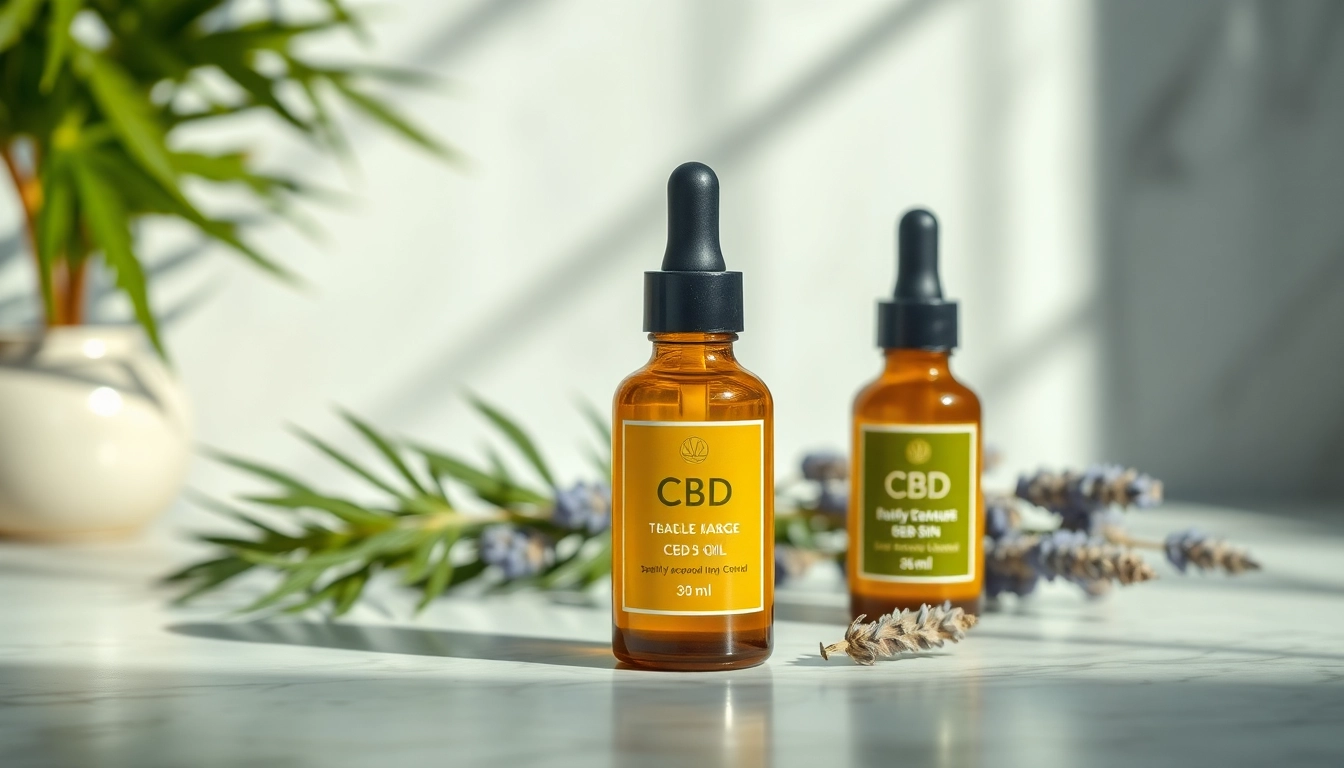

Understanding CBD Oil: Basics and Benefits
What is CBD Oil?
Cannabidiol, commonly referred to as CBD, is one of over a hundred natural compounds found in the cannabis plant. Unlike its more famous cousin, tetrahydrocannabinol (THC), CBD does not have psychoactive properties, meaning it does not produce the “high” associated with marijuana use. CBD Oil is typically derived from hemp plants, which are naturally low in THC—a crucial factor that differentiates it from other cannabis products. This oil has gained popularity across various demographics, appreciated for its potential health benefits without the intoxicating effects of THC. As an increasing number of people seek natural alternatives for their health, products like CBD Oil have emerged as viable options for many ailments.
Key Benefits of CBD Oil for Health
Research and anecdotal evidence suggest numerous applications for CBD Oil, making it a focal point in both health and wellness discussions. Here are some key benefits:
- Pain Relief: CBD Oil is thought to interact with receptors in the brain and immune system to reduce inflammation and alleviate pain.
- Anxiety and Depression: Studies indicate that CBD may help manage anxiety and improve mood, serving as a natural alternative to pharmaceuticals for some individuals.
- Sleep Disorders: Some research suggests that CBD Oil can help improve sleep quality and manage issues related to insomnia and sleep disorders.
- Neuroprotective Properties: Early studies have indicated that CBD may possess neuroprotective qualities, potentially aiding conditions like epilepsy and multiple sclerosis.
- Heart Health: CBD Oil’s anti-inflammatory properties may contribute to overall heart health by reducing blood pressure and coronary artery disease risk factors.
Common Uses of CBD Oil in Everyday Life
The versatility of CBD Oil allows it to be utilized in numerous ways to suit individual needs and preferences. Some common applications include:
- Topicals: Many users apply CBD salves or creams directly onto the skin for localized relief.
- Edibles: CBD-infused gummies and food products offer a discreet and palatable way to consume CBD.
- Tinctures: Concentrated forms of CBD Oil can be consumed sublingually (under the tongue) for faster absorption.
- Vaping: Some individuals prefer to inhale CBD through vaporization for rapid effects.
- Capsules: For those who prefer a more traditional medication format, capsules provide a familiar delivery method.
How CBD Oil Works in the Body
The Endocannabinoid System Explained
The human body has a complex cell-signaling system known as the endocannabinoid system (ECS), which plays a vital role in maintaining homeostasis or balance in the body. The ECS comprises endocannabinoids, receptors, and enzymes that work together to regulate various functions, including mood, sleep, appetite, and immune response. CBD interacts with this system indirectly by influencing the body’s naturally occurring endocannabinoids, ultimately promoting a sense of balance.
Impact of CBD Oil on Pain and Inflammation
CBD Oil’s potential to alleviate pain and inflammation is among its most celebrated benefits. Research indicates that CBD may inhibit pain signals by interacting with neurotransmitters in the ECS and reducing inflammation at the cellular level. This mechanism suggests potential applications for chronic pain conditions, including arthritis and fibromyalgia.
Research Findings on CBD Oil Efficacy
Numerous studies have investigated the efficacy of CBD Oil for various health issues. Initial findings highlight positive results, especially in the context of epilepsy, as CBD has gained FDA approval for the treatment of certain seizure disorders. Ongoing research into other applications, including mental health disorders and chronic pain management, continues to reveal promising outcomes and further validates CBD’s therapeutic potential.
Choosing the Right CBD Oil for You
Factors to Consider When Selecting CBD Oil
Choosing the right CBD Oil can be overwhelming given the multitude of options available. Here are key factors to consider:
- Source: Opt for CBD extracted from organically grown hemp to ensure quality and eliminate harmful substances.
- Full-spectrum vs. Broad-spectrum vs. Isolate: Understand the differences among these types of CBD Oil regarding cannabinoid content and effects.
- Concentration: Determine the appropriate dosage and strength that aligns with your needs and preferences.
- Third-party Testing: Seek products verified by independent labs to confirm potency and purity.
- Brand Reputation: Research brands for transparency, customer feedback, and adherence to regulations.
Understanding Different Types of CBD Oils
There are several types of CBD Oil available on the market, each offering unique properties:
- Full-spectrum CBD: Contains all cannabinoids, terpenes, and other compounds found in the cannabis plant, including trace amounts of THC.
- Broad-spectrum CBD: Similar to full-spectrum but without THC, making it appealing for users seeking to avoid psychoactive effects.
- CBD Isolate: The purest form of CBD, devoid of all other cannabinoids and plant compounds, ideal for those looking for a THC-free option.
Reading Product Labels and Lab Reports
Understanding product labels is essential in ensuring that you’re selecting a quality CBD Oil. Look for the following key elements:
- CBD Content: Confirm the amount of CBD per serving or per milliliter.
- Ingredients: Be wary of fillers or additives that may dilute your desired experience.
- Batch Numbers and Lab Reports: Quality brands provide lab reports (Certificates of Analysis) that allow you to verify their claims regarding potency and purity.
Safety and Side Effects of Using CBD Oil
Potential Side Effects of CBD Oil
While many users tolerate CBD Oil well, it is important to be aware that some individuals may experience side effects, including:
- Fatigue
- Diarrhea
- Changes in appetite
- Changes in weight
As with any supplement, it’s crucial to monitor your body’s response and consult with a healthcare provider if you experience any adverse effects.
How to Use CBD Oil Responsibly
To maximize the benefits of CBD Oil while minimizing risks, consider the following guidelines for responsible use:
- Start Low and Go Slow: Begin with a low dose and gradually increase until you find the optimal amount that works for you.
- Consult with a Healthcare Professional: Particularly important if you are taking other medications or have pre-existing health conditions.
- Avoid Mixing with Alcohol or Other Substances: This can amplify side effects and lead to unexpected reactions.
Consulting Professionals Before Consumption
Before starting any new supplement, including CBD Oil, consulting healthcare professionals can provide valuable insights tailored to individual health profiles. Discussing your intentions with a medical expert is particularly important for those on existing medications, as CBD may interact with certain drugs, leading to adverse effects or reduced efficacy.
Future of CBD Oil in Holistic Health and Wellness
Emerging Trends in CBD Oil Use
The landscape of CBD Oil is rapidly evolving, with emerging trends reflecting changing consumer preferences and an increasing body of research supporting its therapeutic potential. Innovations in formulations—with flavored options, enhanced bioavailability methods, and targeted formulations—are becoming commonplace. Additionally, sectors like beauty and wellness are integrating CBD into creams, lotions, and health food, attributing various benefits that appeal to diverse consumer bases.
Regulatory Landscape for CBD Oil Products
The regulatory environment surrounding CBD Oil is still developing. While certain aspects of the industry are becoming clearer, such as the legality of hemp-derived CBD, there remain uncertainties regarding specific product claims and quality standards. Staying abreast of regulations at both state and federal levels is crucial for consumers and producers alike.
Advancements in Research and Development
Ongoing research continues to shed light on the mechanisms of action and potential new applications for CBD Oil. As scientific understanding deepens, this could pave the way for innovative treatments and refined formulations targeting specific health issues. Additionally, clinical trials will be instrumental in providing the necessary data to confirm benefits and establish guidelines for use.